Choosing the right approach to pictures of people in heaven starts with clear context, practical filters, and realistic expectations.
Introduction to Pictures of
People in Heaven The concept of heaven has been a topic of fascination and speculation for centuries, with various cultures and religions offering their own interpretations of what the afterlife might look like. One of the most powerful ways to explore and understand these concepts is through artwork and images, particularly those that depict people in heaven. These pictures not only offer a glimpse into the imagination and beliefs of the artists who created them but also provide a window into the cultural and religious contexts in which they were made.
Historical Depictions of Heaven
Historically, depictions of heaven in art have varied widely, reflecting the theological, philosophical, and aesthetic values of their time. In medieval Europe, for example, heaven was often depicted as a hierarchical realm with God at the top, surrounded by angels, saints, and the blessed. These images were frequently used in churches and manuscripts to illustrate biblical stories and to convey the promise of salvation. The use of gold leaf, vivid colors, and intricate details in these artworks symbolized the richness and glory of the heavenly realm.
The Role of Iconography Iconography plays a significant role in pictures of people in heaven, as specific symbols, colors, and compositions are used to convey theological messages. For instance,
the color white is often associated with purity and innocence, while gold represents divine light and wisdom. The depiction of saints and martyrs in these images serves as a reminder of the virtues and sacrifices required to attain heavenly bliss. Understanding the iconography behind these images provides deeper insight into their meaning and significance.
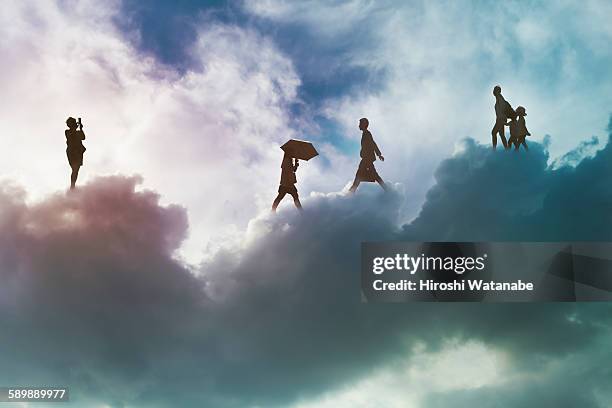
Artistic Interpretations of Heaven Artists have long been inspired by the concept of heaven, interpreting it in countless ways through their work. From the serene and idyllic landscapes of the Renaissance to the abstract and conceptual pieces of modern art, each era has brought its unique perspective to the depiction of the afterlife. Some artists focus on the joy and reunion of loved ones in heaven, while others explore the theme of judgment and the separation of the righteous from the unrighteous. These
artistic interpretations not only reflect the cultural and religious beliefs of their creators but also influence how society perceives and understands heaven.
The Impact of Religious Art Religious art, including pictures of people in heaven, has a profound impact on believers and non-believers alike. It can inspire hope, comfort
the grieving, and challenge the viewer to contemplate their own mortality and the nature of the afterlife. The depiction of heavenly scenes in religious art also serves as a tool for teaching theological concepts and reinforcing religious beliefs. Moreover, these images can bridge cultural and linguistic divides, conveying universal themes and emotions that transcend verbal communication.
Modern Perspectives on Heaven In
modern times, the concept of heaven and its depiction in art continue to evolve. Contemporary artists bring new mediums, styles, and perspectives to the subject, often incorporating personal experiences, social issues, and technological advancements into their work. This diversity of expression enriches our understanding of heaven, encouraging a broader and more inclusive dialogue about the afterlife and its significance in human culture. The internet and social media have also democratized the dissemination of artwork, allowing a global audience to engage with and reflect on images of people in heaven.
The Digital Age and Heaven
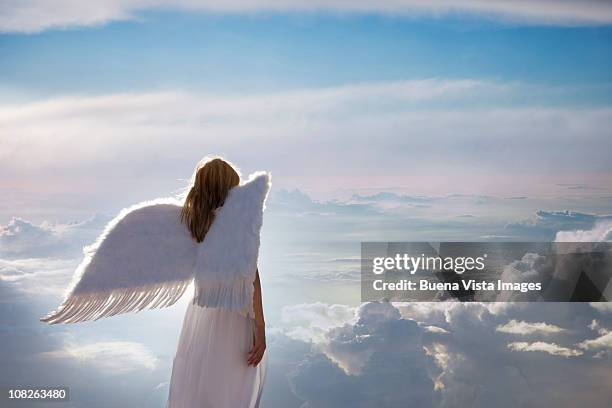
The digital age has opened new avenues for exploring and depicting heaven. Digital art and virtual reality experiences offer immersive and interactive ways to envision the afterlife, allowing users to step into heavenly landscapes and engage with religious themes in innovative ways. Online platforms also facilitate the sharing and discussion of religious art, fostering a global community that can appreciate, critique, and learn from these images.
Practical Examples and Use Cases Pictures of people in heaven are not merely decorative or theoretical; they have
practical applications in various aspects of life. For instance, they can be used in counseling and therapy to help individuals cope with grief and loss, providing a comforting vision of the afterlife. In educational settings, these images can serve as tools for teaching religious studies, art history, and cultural anthropology, promoting a deeper understanding of the beliefs and values that underpin human society.
Limitations and Controversies
While pictures of people in heaven can inspire and educate, they also come with limitations and controversies. The depiction of heaven in art can be influenced by cultural biases, theological dogmas, and personal beliefs, which may not resonate with or may even offend certain viewers. Furthermore, the commercialization of religious art can lead to the exploitation of sacred themes for profit, undermining the spiritual significance and integrity of these images.
Conclusion
Pictures of people in heaven offer a unique window into human imagination, belief, and culture.
Through these images, we can explore the concept of the afterlife, understand the symbolism and significance behind different depictions, and appreciate the artistic and theological richness that they embody. Whether used for spiritual reflection, educational purposes, or simply as a form of artistic expression, these pictures have the power to inspire, to comfort, and to challenge our perceptions of the world and our place within it.