Most SharePoint deployments fail not because of technical flaws—but because they lack design intent. Teams rush to build sites without a blueprint, resulting in cluttered libraries, broken navigation, and frustrated users. The solution? Start with a template to design SharePoint properly.
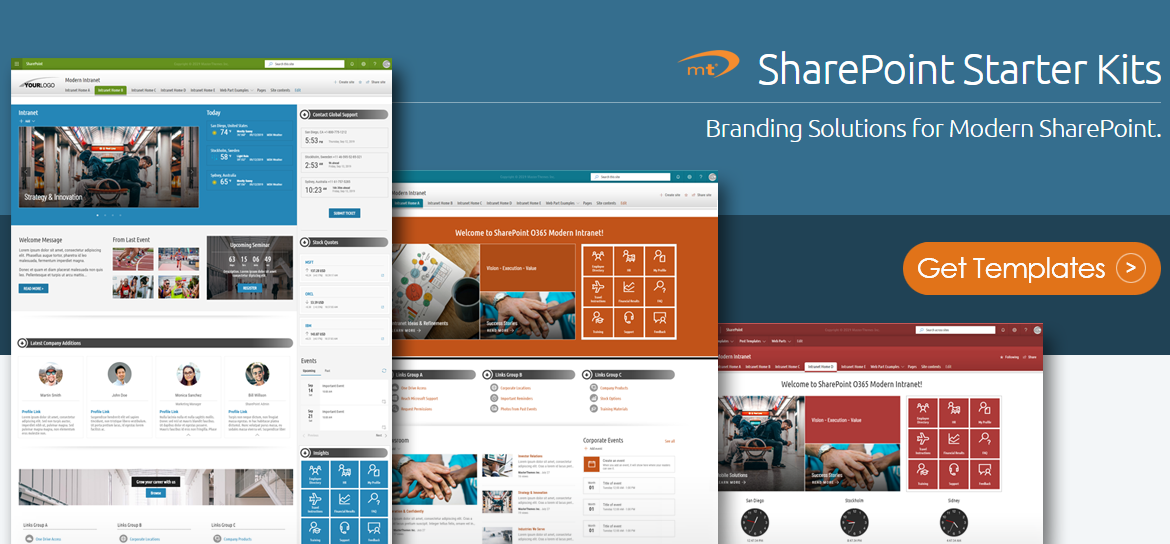
A well-structured SharePoint design template isn’t just a wireframe—it’s a strategic framework. It defines purpose, content hierarchy, permissions, and user experience before a single site is built. Whether you're creating an intranet, project hub, or department portal, using a template ensures consistency, scalability, and usability.
Here’s how to build and apply a practical SharePoint design template that delivers real business value.
Why You Need a Template to Design SharePoint
SharePoint is powerful but flexible to a fault. Without constraints, users create sites with inconsistent branding, vague naming conventions, and poor information architecture. These issues compound over time, leading to digital clutter and low adoption.
A design template acts as a governance tool. It enforces standards while accelerating development. Think of it like an architectural blueprint: you wouldn’t build a house without one, so why build a digital workspace without structure?
Using a template helps you: - Reduce redundant site creation - Standardize navigation and layout - Improve searchability and content discoverability - Align with compliance and retention policies - Onboard new teams faster
Without a template, SharePoint becomes a dumping ground. With one, it becomes a purpose-built environment.
Core Components of a SharePoint Design Template
A solid template includes more than just page layout—it covers structure, governance, and user experience. Use this checklist when building your own:
1. Purpose and Scope Definition Clearly state what the site is for. Is it a team collaboration hub? A customer-facing knowledge base? A project archive?
Example: Project Site – Q3 Marketing Campaign Purpose: Centralize assets, timelines, approvals, and vendor communication for the Q3 campaign. Audience: Marketing team, external partners, legal reviewers.
2. Site Hierarchy and Navigation Map Sketch the main sections and sub-sites. Use a simple tree structure:
- Home
- Documents
- Creative Assets
- Campaign Plans
- Legal Approvals
- Tasks & Calendar
- Team Directory
- External Partners (restricted)
This prevents ad-hoc folder sprawl and ensures logical flow.
3. Branding and Layout Rules Define color schemes, fonts, logo placement, and header styles. Even minor consistency improves professionalism and recognition.
Include: - Header/Footer structure - Default page layout (e.g., hero banner, quick links, news feed) - Mobile responsiveness guidelines
4. Content Types and Metadata Schema Standardize how content is classified. For example: - Document types: Proposal, Report, Contract - Metadata fields: Department, Status, Review Date, Author
Apply these as reusable content types in libraries to enable filtering and automation.
5. Permissions Model Map out who can view, edit, or approve content. Avoid using “Everyone” or “Members” groups without limits.
Recommended structure: - Owners: Full control - Members: Edit access - Visitors: Read-only - External: Limited access with expiration
Use Microsoft Groups or security groups for clean management.
6. Integration Requirements Note which tools connect to the site:
- Power Automate flows (e.g., approval workflows)
- Power BI dashboards
- Microsoft Teams tabs
- Outlook calendars
Documenting this upfront prevents disjointed experiences later.
Common Mistakes When Designing SharePoint Without a Template
Even experienced admins make missteps when they skip planning. Here are frequent pitfalls—and how to avoid them:
❌ Creating Sites Without a Naming Convention Result: "Project-X," "Final-Draft-Updated," "Site-2-copy" — chaos.
Fix: Define a naming standard like: [Department]-[Project]-[Year] → Marketing-Campaign-Q3-2025
❌ Overloading the Home Page Result: 20 web parts, no clear focus.
Fix: Follow the “rule of three”—highlight only top priorities: latest news, key documents, upcoming deadlines.
❌ Ignoring Mobile Experience Result: Users can’t access files on phones or tablets.
Fix: Test layouts on mobile. Use responsive web parts and avoid complex tables.
❌ Skipping Retention Policies Result: Legal risk from unmanaged documents.
Fix: Apply retention labels to libraries based on content type (e.g., contracts retained for 7 years).
How to Build Your Own SharePoint Design Template
You don’t need a designer or developer to create a usable template. Start with this 5-step process:
Step 1: Audit Existing Sites Review current SharePoint usage. What works? What’s confusing? Interview power users and frustrated ones alike.
Look for: - Repeated structures - Frequently requested features - Common pain points
Step 2: Choose a Reference Site Pick one well-organized site as a model. Clone it or extract its structure.
Use modern communication sites as templates—they’re more flexible and visually consistent than classic team sites.
Step 3: Document the Blueprint Create a reusable document (Word, PDF, or intranet page) that includes: - Site purpose categories - Navigation examples - Branding specs - Permissions matrix - Metadata standards
Store it in a central location—ideally, a governance site.
Step 4: Build a Provisioning Template Use SharePoint’s Save site as template feature (in limited scenarios) or leverage PowerShell and PnP scripts for modern sites.
Alternatively, use Microsoft’s Site Designs and Site Scripts to automate layout and list creation when new sites are provisioned.
Example Site Script action: json { "verb": "createSPList", "listName": "Project Tasks", "templateType": 107, "subactions": [ { "verb": "addSPField", "fieldType": "Text", "displayName": "Assigned To", "isRequired": false } ] }
This ensures every new project site gets a standardized task list.
Step 5: Train and Enforce Roll out the template with training. Require teams to complete a short form before site creation, confirming they’ve followed the design guide.
Automate enforcement using Power Automate: - Form submission → Approval workflow → Site creation with preset template
Top Tools to Support SharePoint Design Templates
While SharePoint provides core capabilities, third-party tools enhance templating, governance, and deployment speed.

| Tool | Purpose | Key Benefit |
|---|---|---|
| ShareGate | Migration & templating | Clone sites with permissions and structure |
| AvePoint Cloud Governance | Site lifecycle management | Enforce templates and auto-apply policies |
| Metalogix (Quest) | Administration & provisioning | Custom site request workflows |
| Viva Topics + SharePoint | AI-driven content organization | Auto-tag content based on template metadata |
| PnP PowerShell / CLI for Microsoft 365 | Scripted deployment | Automate template application across tenants |
These tools reduce manual setup and ensure your template isn’t just a suggestion—it’s baked into the process.
Real-World Example: HR Onboarding Portal
Let’s apply the template concept to a common use case: an HR onboarding site.
Purpose: Help new hires access documents, complete forms, and connect with teams.
Template Structure: - Home: Welcome video, checklist, manager contact - Documents: Offer letter, policies, benefits guide - Tasks: I-9 verification, laptop request, training schedule - Org Chart: Interactive directory - FAQ: Common questions (linked to Viva Topics)
Design Rules Applied: - Branding matches company intranet - All forms use standardized metadata (Employee ID, Start Date) - Visitors group for new hires (read-only until day one) - Power Automate flow sends reminders 7 days before start date
Result: 60% reduction in onboarding follow-up emails, faster ramp-up time.
Make Your Template Living, Not Static
A SharePoint design template shouldn’t be set in stone. Treat it as a living document.
Update it when: - New compliance rules emerge - Microsoft releases new web parts or features - User feedback reveals usability gaps - Departments request new site types
Schedule quarterly reviews with stakeholders to refine the template. This keeps it aligned with business evolution.
Also, consider versioning: SharePoint Design Template v1.2 – Updated June 2025
Track changes and communicate updates across the organization.
Start with Structure, Not Speed
The pressure to deliver fast often leads teams to bypass planning. But a few hours spent designing a template saves weeks of cleanup later.
Your SharePoint environment reflects your organization’s clarity. A messy site signals disorganization. A well-designed one builds trust, improves productivity, and scales efficiently.
Use a template to design SharePoint—not as an afterthought, but as the foundation.
Begin today: Audit one site, extract its best elements, and turn it into a repeatable standard. Then apply it everywhere.
FAQ
What is a SharePoint design template? A SharePoint design template is a structured guide that defines layout, navigation, branding, permissions, and content models for new sites.
Can I reuse an existing SharePoint site as a template? Yes, modern sites can be used as models via Site Designs, PnP scripts, or third-party tools like ShareGate—though direct "save as template" is limited.
How do I standardize branding across SharePoint sites? Use theme files, consistent page layouts, and enforce design rules through governance policies and provisioning tools.
Do I need developer skills to create a template? No. Basic templates can be built with SharePoint native features. Advanced automation may require PowerShell or Power Automate.
How do templates improve SharePoint adoption? Users adopt consistent, intuitive sites faster. Templates reduce confusion and make training easier.
Can templates enforce security and compliance? Yes. Templates can include preset permissions, retention labels, and audit settings to meet compliance needs.
Who should own the SharePoint design template? IT or collaboration leads typically manage it, but input should come from HR, legal, and department heads.
FAQ
What should you look for in Template to Design SharePoint for Better Workflows? Focus on relevance, practical value, and how well the solution matches real user intent.
Is Template to Design SharePoint for Better Workflows suitable for beginners? That depends on the workflow, but a clear step-by-step approach usually makes it easier to start.
How do you compare options around Template to Design SharePoint for Better Workflows? Compare features, trust signals, limitations, pricing, and ease of implementation.
What mistakes should you avoid? Avoid generic choices, weak validation, and decisions based only on marketing claims.
What is the next best step? Shortlist the most relevant options, validate them quickly, and refine from real-world results.